Which Respironics CPAP Hose Fits Your Machine?
Specs below are quoted from each Amazon listing. Scores are the average rating Amazon buyers left. Nothing on this page was handled or measured by us.
As Amazon Associates, we earn from qualifying purchases. This means we may receive a small commission at no extra cost to you if you click through and make a purchase.
Finding the correct replacement for your cpap tubing respironics setup comes down to matching hose diameter, cuff dimensions, and hose weight to your sleep therapy equipment. If you use a Philips Respironics device such as a DreamStation or a System One, selecting an incompatible hose can disrupt pressure delivery, trigger mask seal leaks, or cause annoying tube drag whenever you shift positions in bed. A proper 6ft cpap hose replacement must seal tightly around your machine air outlet while offering enough flexibility to let you sleep comfortably without fighting the hose.
This respironics cpap tubing comparison evaluates 4 replacement hoses designed for Philips Respironics platforms and standard sleep therapy devices. These four options vary in bore diameter, cuff size, flex construction, and materials, ranging from slender 15mm slimline tubes to flexible 19mm designs and standard 22mm universal hoses. Understanding how these mechanical differences affect airflow and movement will help you pick the right model for your machine settings and nightly sleeping habits.
Which Respironics CPAP Tubing Should You Buy
- DreamStation owners wanting original slimline dimensions: Standard Plastic Tubing for Philips Respironics
see 1 of 4 - Sleepers who want less hose weight and universal 22mm rubber cuffs: Respironics Performance CPAP Tubing
see 2 of 4 - Users looking for a latex-free universal hose backed by a warranty: Roscoe Medical Lightweight CPAP Hose
see 3 of 4 - Shoppers who want a straightforward universal backup hose for multiple machines: NUWAVE C.P.A.P. HOSE REPLACEMENT
see 4 of 4
Standard Plastic Tubing for Philips Respironics

Affiliate link. Price and stock live at Amazon and change there, not on this page.
Respironics Performance CPAP Tubing

Affiliate link. Price and stock live at Amazon and change there, not on this page.
Roscoe Medical Lightweight CPAP Hose
Affiliate link. Price and stock live at Amazon and change there, not on this page.
NUWAVE C.P.A.P. HOSE REPLACEMENT

Affiliate link. Price and stock live at Amazon and change there, not on this page.
What Sets These Models Apart
When selecting among these four replacement hoses, the primary technical differences involve bore diameter, cuff compatibility, overall tube weight, and latex-free certification. Choosing between a 15mm slimline format and a universal 22mm cuff design directly influences how you configure your machine menu and how easily the hose maneuvers across your bed.
| Model | Diameter and Cuffs | Listed Weight | Latex-Free Construction | Warranty or Specialty Fit |
|---|---|---|---|---|
| Standard Plastic Tubing for Philips Respironics | 15mm outside diameter, 0.59-inch width | 0.07 kg (approx. 2.47 oz) | The listing does not specify | DreamStation 15mm PR15 profile |
| Respironics Performance CPAP Tubing | 19mm diameter tubing with 22mm cuffs | 3.52 oz | The listing does not specify | 20 percent lighter than standard tubing |
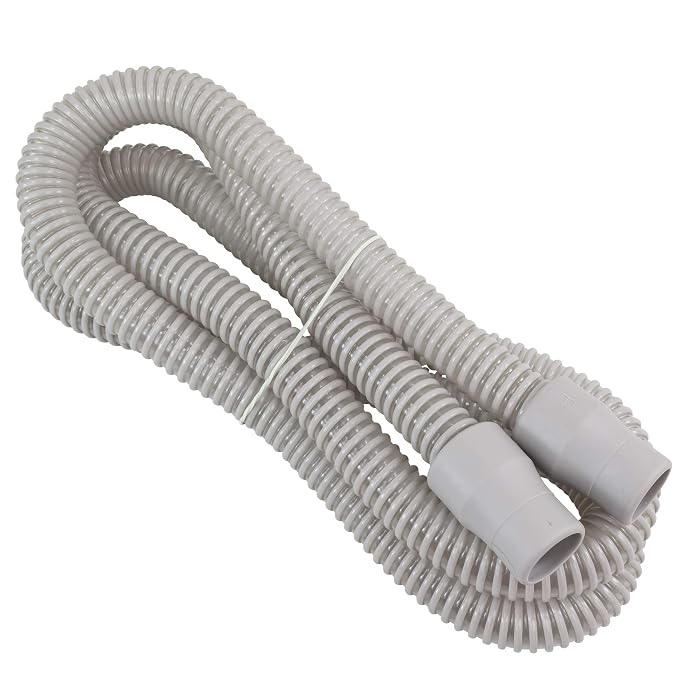
| Roscoe Medical Lightweight CPAP Hose | 22mm outside diameter with 22mm cuffs | 3.2 oz | Not made with natural rubber latex | 1-year manufacturer warranty |
| NUWAVE C.P.A.P. HOSE REPLACEMENT | The listing does not specify bore (universal cuffs) | 3.53 oz (package weight) | The listing does not specify | Universal ResMed and Respironics fit |
Figures in this table are copied from the Amazon listings for these models.
Buying Tips for Respironics CPAP Tubing
Before purchasing replacement tubing for your sleep therapy setup, always verify the tubing diameter settings supported by your specific machine. If you choose the Standard Plastic Tubing for Philips Respironics, check that your device allows you to select a 15mm tube option in the user setup menu. Running a 15mm slimline hose on a machine configured for standard 22mm tubing causes the machine to miscalculate airflow resistance, potentially delivering incorrect therapeutic pressures. If your machine lacks a 15mm setting, stick to 19mm or 22mm universal hoses like the Respironics Performance or Roscoe Medical models.
Proper physical maintenance is essential for preserving the flexibility and seal of flexible medical plastics. Unlike rigid home workshop pipes that you might cut to length with a dewalt pipe cutter, CPAP hoses feature permanently bonded end cuffs that should never be trimmed, stretched, or mechanically modified. Wash your tubing weekly using mild liquid dish soap and warm water, rinse thoroughly, and hang the hose over a shower rod to air dry completely away from direct sunlight. Never use intense drying equipment such as a dewalt heat gun or automated high-heat blowers, as extreme thermal exposure will warp the plastic ribs and melt the rubber cuffs.
Your physical bedroom setup also plays a significant role in tubing longevity and sleep comfort. Setting aside time to relax in a comfortable grand patio outdoor rocking chair before bed can help settle your respiration, but once you head to the bedroom, ensure your CPAP machine sits slightly lower than your mattress. Positioning the machine below your sleeping level allows any condensation that forms inside the tube to drain backward into the humidifier water chamber rather than pooling near your mask and disturbing your sleep.
FAQ
How often should you replace a philips respironics cpap hose
Most clinical guidelines and manufacturers recommend replacing non-heated CPAP hoses every three to six months. Over time, daily exposure to warm, humidified air causes the flexible plastic to stiffen, while repeated stretching of the rubber cuffs can create tiny micro-tears that leak air. Inspect your hose weekly for discoloration, mineral deposits, stiff corrugated ridges, or loose cuff connections that slide off your machine outlet too easily.
What is the difference between 15mm and 22mm CPAP tubing
The difference lies in the inner bore diameter and total weight of the hose. A 15mm slimline tube is narrower, significantly lighter, and more flexible, which drastically cuts down on mask drag when you turn over in bed. A 22mm hose is the legacy medical standard that offers lower resistance to airflow across higher therapeutic pressures. While 22mm cuffs fit standard ports everywhere, a 15mm tube requires your machine to have a dedicated 15mm menu setting to adjust pressure compensation properly.
Can you use a 15mm hose without changing your CPAP machine settings
You should not use a 15mm tube without updating your machine setting to match. Because air travels through a narrower passage, a 15mm hose generates more internal flow resistance than a 22mm hose. If your machine is programmed for a 22mm hose but connected to a 15mm hose, the pressure sensors will misread airway resistance, which can lead to uncomfortable therapy pressures and inaccurate sleep reporting data.
Are universal CPAP hoses compatible with heated humidifiers
Standard universal CPAP hoses attach directly to the standard air outlet port of heated humidifier chambers, delivering warm, moist air to your mask. However, these standard hoses do not contain integrated electrical heating copper wires. If you sleep in a cold bedroom with high humidifier settings, warm air may cool inside an unheated tube and create moisture droplets, commonly known as rainout. If rainout occurs, wrapping the hose in an insulated fabric fleece cover can help retain heat.
How do you test your CPAP hose for air leaks
To check your hose for hidden pinholes or cuff cracks, detach the hose from your mask, turn on your CPAP machine in mask-fit mode, and seal the open end of the cuff firmly with the palm of your hand. Listen carefully along the entire 6-foot length for whistling or hissing sounds, and feel for escaping air along the corrugation seams. If you hear hissing or the machine does not indicate a high-resistance blockage, your hose has developed a leak and should be replaced immediately.